Booklet Binding Types: Saddle Stitch vs Perfect Bound vs Wire-O
If you are looking for custom booklet printing, binding is the most important production decision. It affects page capacity, durability, usability, and unit price.
This guide compares saddle stitch binding, perfect bound booklet printing, and wire-o so you can choose the right format before placing an online booklet printing order.
Booklet Binding Comparison at a Glance
Use this quick table to choose the right option for your booklet project:
| Binding Type | Typical Page Range | Best Use Cases | Main Tradeoff |
|---|---|---|---|
| Saddle Stitch | 8-64 pages (multiples of 4) | Programs, promo booklets, short catalogs | Limited page capacity, no square spine |
| Perfect Binding | 28-200+ pages | Catalogs, reports, manuals, brand books | Higher unit cost than saddle stitch |
| Wire-O | 8-160 pages (depends on stock) | Workbooks, training guides, reference docs | Not a square-spine finish |
Booklet Binding Types Explained
1. Saddle Stitch Binding
Saddle stitch booklet printing uses folded sheets stapled through the spine. It is often the best value option for short-run and medium-volume orders, especially for teams looking for practical and affordable booklet production.
Typical use cases include event programs, marketing handouts, mini catalogs, and short informational booklets.

2. Perfect Bound Booklet Printing
Perfect bound booklet printing uses adhesive binding with a square spine. This option is best for thicker documents where presentation quality and durability matter, such as annual reports, product catalogs, and branded publications.
If you are comparing perfect bound book printing options, this is usually the premium choice for multi-page documents.

3. Wire-O Binding
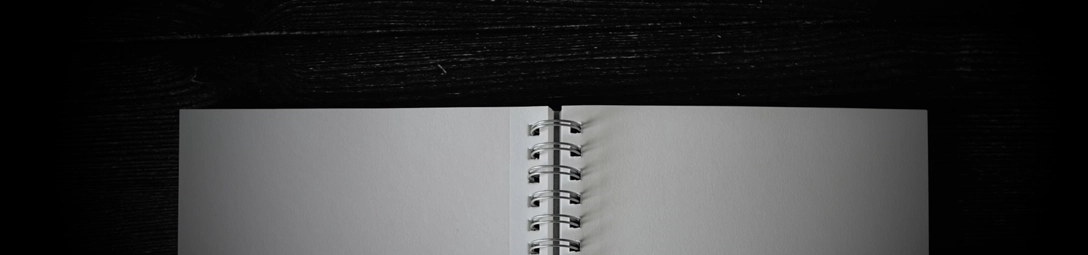
Wire-o uses punched holes and a wire loop, allowing easy page turns and near lay-flat usability. It is ideal for practical documents that are used repeatedly, including manuals, notebooks, and training materials.
Choose wire-o when functionality and usability are more important than a book-style spine.
How to Choose the Right Booklet Binding
Use this practical checklist before you print a booklet:
- Page count first: Under about 64 pages, saddle stitch is typically the most efficient.
- Need a spine title: Choose perfect binding for shelf-ready square-spine output.
- Need lay-flat usability: Choose wire-o for manuals and training content.
- Budget-sensitive run: Saddle stitch is often the best cost-to-value option.
- File confidence: Use a print-ready PDF and ask for file review when needed.
Production Tip from Print Experts
In commercial production, actual max page count depends on paper weight, grain direction, and trim size. If your project is close to a binding limit, confirm specs before checkout to avoid rework.
Order by Binding Type
Start with the product that best matches your project:

FAQ: Booklet Binding and Printing
What is the difference between saddle stitch and perfect binding?
Saddle stitch uses folded sheets stapled at the spine and is typically best for lower page counts. Perfect binding uses glue and a square spine, which is better for thicker, premium-style booklets.
What page counts are typical for saddle stitch booklet printing?
Most saddle stitched booklets are produced in lower page ranges, commonly around 8 to 64 pages in multiples of four.
When should I choose perfect bound booklet printing?
Choose perfect binding for thicker publications, premium catalogs, reports, and manuals where a square spine and durable finish are important.
Is wire-o better for manuals and training guides?
Yes. Wire-o is often preferred for guides and manuals because pages turn easily and stay more usable while open.
Can I order custom booklet printing online?
Yes. You can configure and order online at booklet printing, then choose the binding type that fits your project.
Where can I order saddle stitch, perfect binding, or wire-o directly?
Use these product pages: Saddle Stitch, Perfect Binding, and Wire-O.
What file format should I upload for booklet printing?
A print-ready PDF is the most reliable format. Include proper bleed, safe margins, and correct page order for production.
Can your team review my file before production?
Yes, of course! Reach out and we can look for common setup issues early and reduce production delays.